
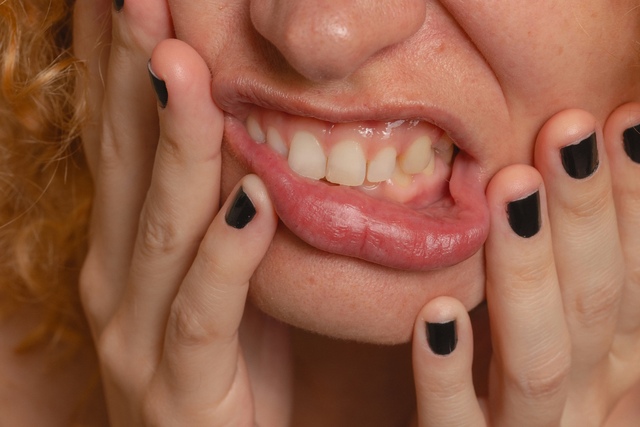
Teeth grinding, also called Bruxism, is a common condition that affects both children and adults. Many people grind or clench their teeth during sleep without realizing it. Stress, anxiety, sleep problems, caffeine, alcohol, and even an uneven bite can contribute to this issue.
The effects of teeth grinding can range from mild discomfort to serious dental damage. Frequent grinding wears down tooth enamel, making teeth more sensitive and vulnerable to cracks. Some people wake up with headaches, jaw pain, earaches, or stiffness in the face and neck. Over time, severe grinding may lead to chipped teeth, gum problems, or disorders of the jaw joint, known as TMJ disorders.
There are several ways to manage and reduce teeth grinding. Dentists often recommend a custom night guard to protect the teeth during sleep. Reducing stress through exercise, meditation, or relaxation techniques can also help. Avoiding caffeine and alcohol before bedtime may lessen nighttime grinding. In some cases, correcting bite problems or treating sleep disorders can improve symptoms. Regular dental checkups are important because they help detect damage early and prevent long-term complications.
Although teeth grinding is common, it should not be ignored. Early treatment can protect your teeth, reduce pain, and improve sleep and overall oral health.
Photo by Fillepe Ditadi on Unsplash