
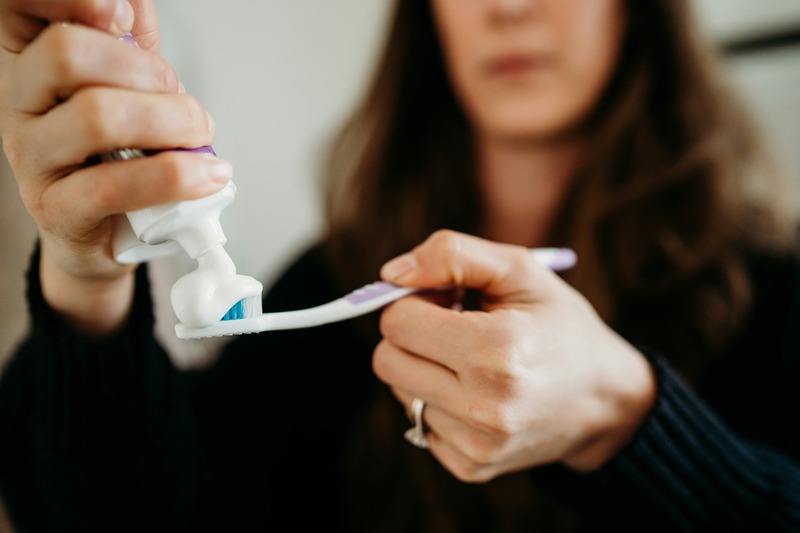
In the US, fluoride has played a large part in cavity prevention for decades. However, it is a source of some controversy lately. Thankfully, there is another mineral that has been performing equally, or even better, in the arena of tooth protection. The name of its competitor is hydroxyapatite. Hydroxyapatite is mineral that is a naturally occurring and essential component of bone and teeth. It is responsible for giving teeth and bones rigidity. Since it is already a natural part of teeth and bones, we know that it is safe, non-toxic, and biocompatible.
Similar to fluoride, hydroxyapatite can help counteract the negative effects to teeth that are caused by acidic food and beverages like sodas, sport drinks, energy drinks, etc. It does this by forming a protective layer on the enamel surface of the teeth. This layer protects the tooth from breaking down (demineralizing), and even helps rebuild enamel that may have already started to demineralize. It may also help to reduce sensitivity, plaque accumulation, and the buildup of bacteria that could also lead to gum disease. Furthermore, there is evidence that it may even help teeth look whiter!
One major difference between fluoride and hydroxyapatite is that hydroxyapatite has the potential to reach down through the entire structure of the tooth, and help rebuild it from the inside out. It can reach and benefit areas that fluoride can’t. Each time you eat or drink something, the food debris feeds the bacteria in your mouth producing acid byproducts. This is what starts the process of enamel demineralization. The more acidic your mouth is, the more susceptible it is to both enamel breakdown and gum disease. While both fluoride and hydroxyapatite help kill bacteria, hydroxyapatite is more selective with which bacteria it chooses to destroy. Fluoride destroys both good and bad bacteria, while hydroxyapatite only binds to the harmful bacteria to help prevent it from settling onto the enamel surfaces of teeth.
Topical fluoride still deserves a place at the table when it comes to oral health. When used in the proper amounts, it has been helping keep teeth strong and healthy for decades, and deserves much credit for that. However, there are some people who choose to avoid fluoride. Hydroxyapatite is an excellent option for those wanting to have that extra protection, but not wanting to use fluoride in their daily routine.
There are several toothpastes and rinses that contain hydroxyapatite on the market today. Whichever option you choose, fluoride or hydroxyapatite, remember the most important thing you can do to keep your mouth healthy is to brush and floss daily, avoid sugary and acidic foods and beverages as much as possible, and see your dentist every six months for a routine cleaning and exam.